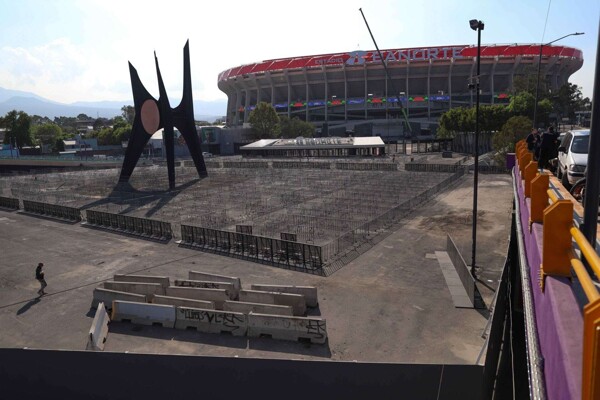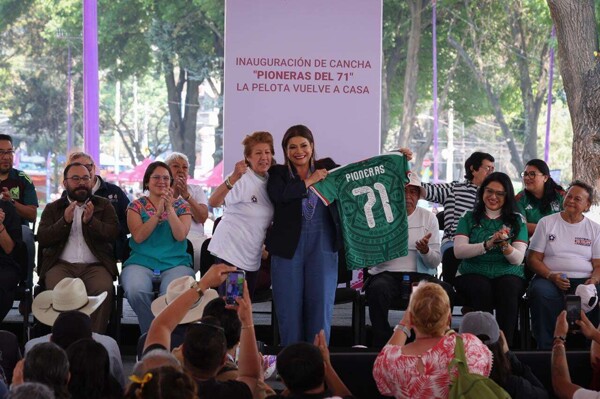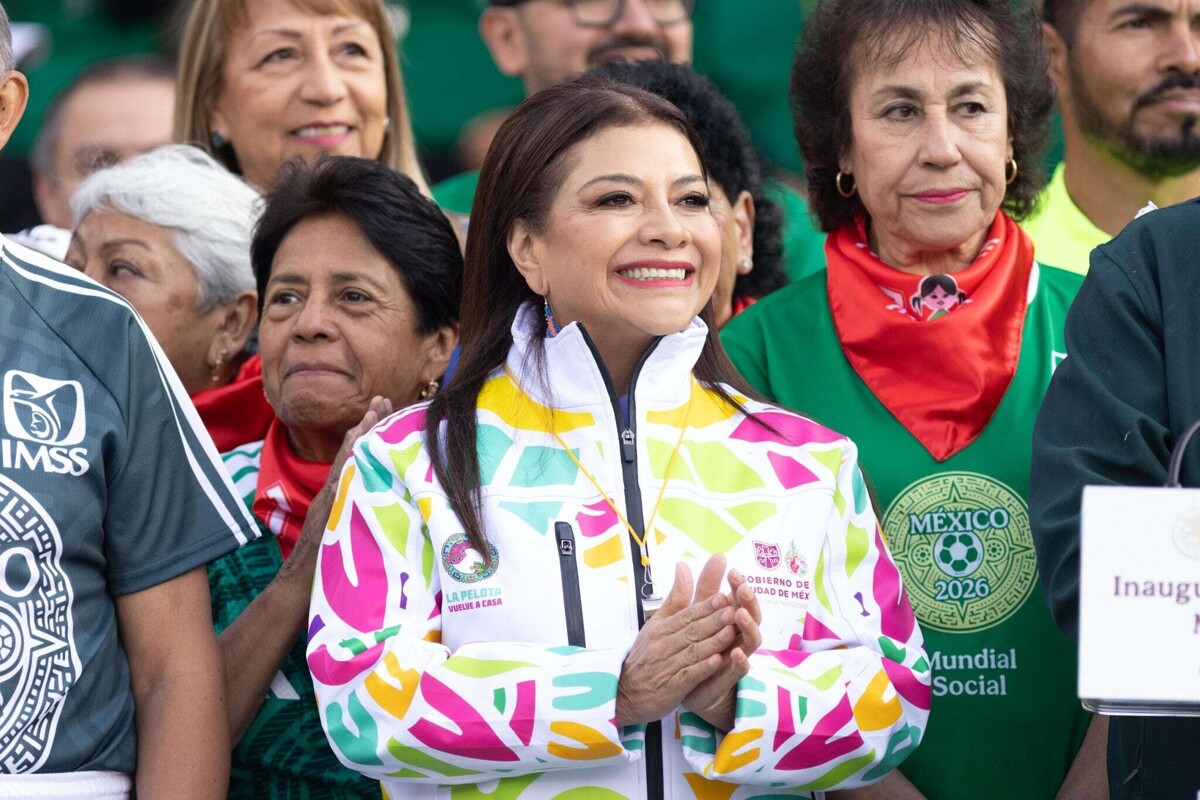
Head of Government, Clara Brugada, announced that she will hand over her ticket for the match between Mexico and Portugal—at the reopening of the Azteca Stadium—to the players of the women's national team from 1970-1971. This symbolic act is a historical recognition of those who paved the way for women in Mexican football. During the morning press conference, in a link with Head of Government Claudia Sheinbaum, the capital's head of state highlighted that this gesture seeks to settle a historical debt with the football players who marked a before and after in Mexican sport but who remained invisible for decades. Recognition for the pioneers of women's football in Mexico Clara Brugada emphasized that the ticket handover is not just a protocolary act, but a message of justice and memory for the players who participated in the 1971 Women's World Cup, considered a milestone in the history of women's football. "Here are the women who made history and who have not been recognized or made visible," Clara Brugada stated. As part of this tribute, a commemorative plaque was also unveiled at the Independence Sports Unit, where the field was renamed "Pioneers of Women's Football: Mexican National Team 1970-1971." A World Cup with a social and inclusive focus The Head of Government reiterated that these actions are part of the "Social World Cup" model that Mexico City is promoting towards 2026, focused on inclusion, equity, and community participation. The recognition to the former players adds to a series of initiatives aimed at increasing the visibility of women's sports, as well as ensuring that the upcoming World Cup is a space free from discrimination. A legacy that inspires new generations In turn, historical figures such as Elvira Aracén have highlighted the relevance of this type of recognition, pointing out that for years the pioneers played without institutional support or public recognition. The gesture of handing over the ticket for one of the most emblematic matches leading up to the 2026 World Cup symbolizes not only a tribute, but also a bridge between generations, where the legacy of the first Mexican female football players inspires girls and young people to take ownership of the sport.